
There’s a particular kind of exhaustion that comes from being told to “just be grateful” when you feel anything but. Maybe you’ve tried it — you sat down with a nice notebook, wrote “I’m grateful for my health” three days in a row, and then quietly gave up because it felt fake. If that’s you, you’re not broken and you didn’t fail at journaling. You just met the most common misunderstanding about gratitude journaling: that it only works if you already feel good. In truth, the quiet practice of gratitude journaling is most valuable precisely when gratitude is the last thing you feel — you just have to do it differently than the inspirational quote graphics suggest.
This isn’t about forcing positivity or pretending your problems don’t exist. It’s about training your attention, gently and repeatedly, to notice what’s still standing when everything else feels shaky. That’s a very different goal than “thinking happy thoughts,” and it’s why this practice can hold up even during grief, burnout, or anxious seasons of life.
Why Gratitude Journaling Feels Fake When You’re Struggling
When you’re anxious, depressed, or just running on empty, your brain is doing exactly what it’s wired to do: scanning for threats and problems. This is called negativity bias, and it’s not a personal flaw — it’s an old survival mechanism that once helped humans avoid danger. The problem is that in modern life, it just keeps you stuck replaying what’s wrong, what might go wrong, and what you’re lacking.

So when you try to write “three good things” while your nervous system is in threat-detection mode, of course it feels forced. You’re asking your brain to do the opposite of what it’s currently optimized for. That resistance you feel isn’t proof that gratitude journaling doesn’t work for you — it’s proof that your brain is doing its job a little too well right now, and the practice needs to meet you where you actually are.
The Shift: Noticing, Not Performing
Here’s the reframe that changes everything: gratitude journaling isn’t about performing happiness on paper. It’s about noticing small, true, specific things — even neutral ones — and writing them down without needing to feel a rush of joy about them.
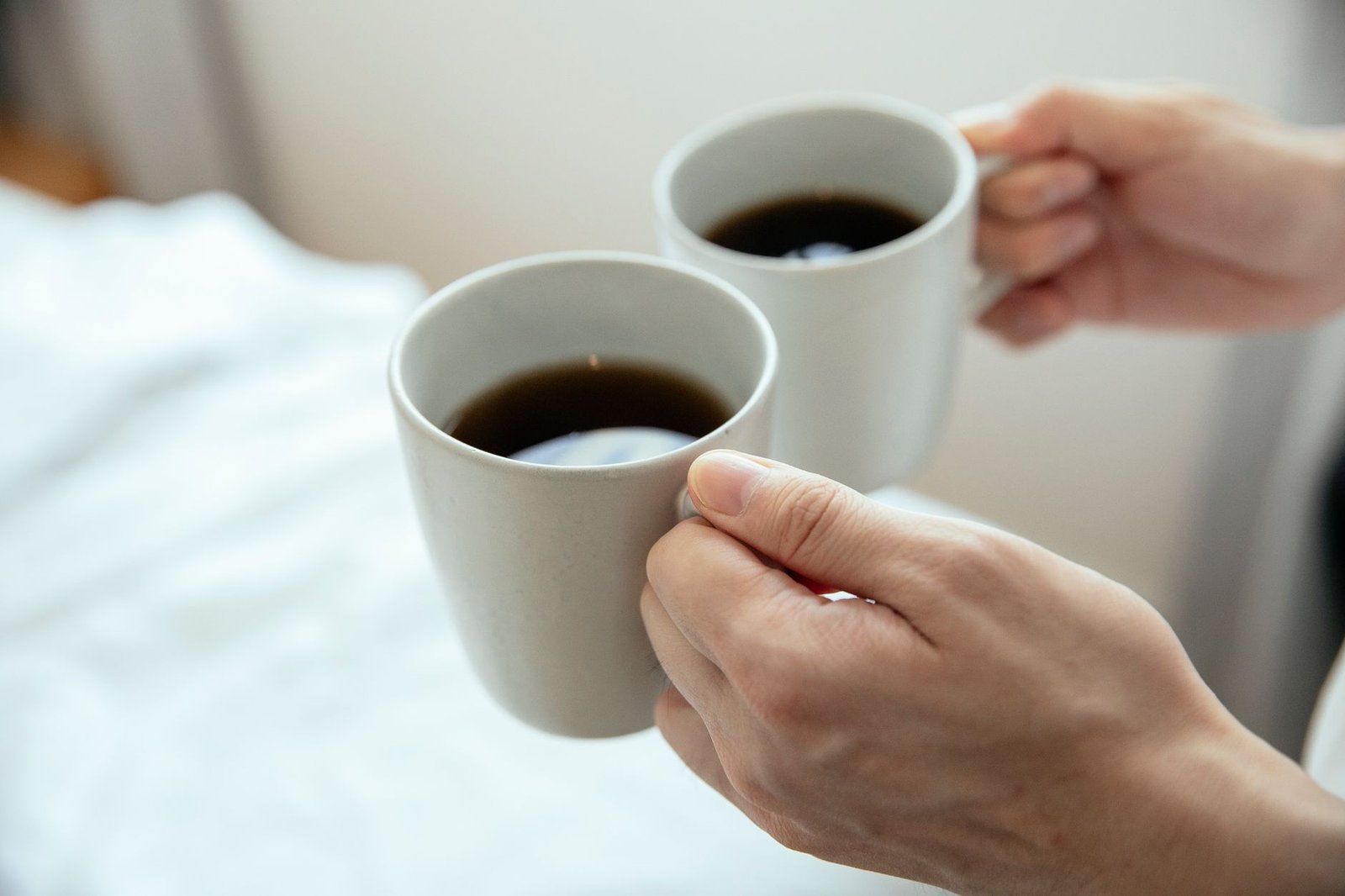
You don’t have to write “I’m deeply thankful for my body.” You can write “my legs carried me up the stairs today without me thinking about it.” You don’t have to feel warm and fuzzy about your morning coffee — you just have to notice that it was warm, and that for four minutes, nothing else was required of you. This is gratitude at the level of fact, not feeling. The feeling, if it comes, comes later — sometimes minutes later, sometimes weeks later. You’re not chasing an emotion. You’re building a habit of attention.
This distinction matters because it removes the pressure. You’re no longer failing at gratitude journaling if you don’t feel grateful while doing it. You’re succeeding simply by showing up and looking for something real, however small.
A Gentler Way to Start (Especially on Hard Days)
If the classic “list three things you’re grateful for” prompt makes you want to close the notebook, try one of these instead. Pick whichever feels least like a chore today:
- Name one thing that didn’t go wrong. Not everything has to be good — just find one thing that stayed okay.
- Write about a small comfort. A blanket, a song, a text from a friend, silence in an empty apartment.
- Notice something outside yourself. Weather, a tree, a stranger holding a door. This works well when you feel too depleted to find anything grateful inside you.
- Write to a past version of you. “You got through that Tuesday. Here’s what helped, even a little.”
None of these require you to feel uplifted. They only require you to look. That’s the whole practice, especially on the days it matters most.
What the Research Actually Says (Without the Hype)
Gratitude journaling has been studied enough that we can talk about it honestly, without overselling it. Researchers like Robert Emmons and Michael McCullough found that people who regularly noted things they were grateful for reported better mood and more optimism over time compared to those who focused on hassles or neutral events. Other studies link consistent gratitude practices to better sleep quality and lower stress markers.
But — and this matters — the research also shows it’s not instant, and it’s not a cure for clinical depression, anxiety disorders, or grief. It’s a small, cumulative shift in attention, not a switch you flip. Think of it less like medicine and more like strength training for your noticing muscle. One session won’t transform you. Weeks of gentle repetition might quietly change what your mind reaches for first when something hard happens.
When Gratitude Journaling Becomes a Spiritual Practice
At its core, gratitude is less about optimism and more about presence — about pausing long enough to actually be where you are, instead of rushing toward the next fix, distraction, or worry. In that sense, it belongs less in the self-help productivity category and more alongside meditation, prayer, or quiet contemplation. It’s a way of saying, even in a hard season: I am still here, and something here is still worth noticing.

You don’t need a specific belief system for this to feel meaningful. Whether you frame it as spiritual, secular, or simply practical, the act of pausing to notice is itself an act of resistance against a world that constantly pulls your attention toward what’s missing. That pause is where the practice becomes something closer to reverence than routine.
Keeping It Sustainable (So It Doesn’t Become Another Task)
The fastest way to kill a gratitude practice is to turn it into one more thing you’re failing at. So keep the bar low, on purpose:

- One line is enough. You don’t need paragraphs. “Warm shower. That’s it” counts.
- Skipped days don’t erase progress. This isn’t a streak app. There’s no penalty for missing a day, or five.
- Let it change shape. Some weeks it’s a notebook, other weeks it’s a voice memo in your car, or a note on your phone at a red light.
- Allow contradiction. You can write “today was awful” and still notice one small true thing. Both can exist on the same page.
The goal was never a perfectly filled notebook. The goal is a mind that, over time, gets a little quicker to notice what’s good, real, or simply still here — even on the days it doesn’t feel like there’s much to find.
If You Don’t Feel Grateful Today, Start Here
You don’t need to feel anything in particular to begin. Grab whatever’s nearby — your phone, a receipt, the back of an envelope — and write one true, small, neutral thing you noticed today. Not the most grateful thing. Just one real thing.
That’s the whole practice. Not performing gratitude, not forcing gladness, just quietly paying attention. Do that enough times, on enough hard days, and something does shift — not because you tricked yourself into positivity, but because you kept showing up to look, even when looking felt pointless. That, more than any perfectly worded journal entry, is what gratitude journaling actually is.
Leave a Reply