
If you’ve ever felt “butterflies” before a big presentation, or lost your appetite completely during a stressful week, you already know something scientists have spent the last decade confirming: your stomach and your brain are in constant conversation. That’s the real story behind the gut health and mood connection — and it’s one of the most hopeful pieces of body-based wisdom we can offer you if you’ve been struggling with anxiety, low mood, or that foggy, flat feeling that won’t quite lift.
This isn’t about blaming yourself for eating the “wrong” thing when you’re anxious, or adding another rigid rule to your life. It’s about understanding a system that’s been working quietly in the background the whole time, and giving you a few gentle, doable ways to support it.
Your Gut Health and Mood Are Wired Together
Here’s the part that surprises most people: roughly 90-95% of your body’s serotonin — the neurotransmitter most associated with feelings of calm and well-being — isn’t made in your brain. It’s made in your gut. Your digestive tract also produces a big share of your dopamine precursors and is lined with hundreds of millions of neurons, sometimes called the “second brain” or the enteric nervous system.
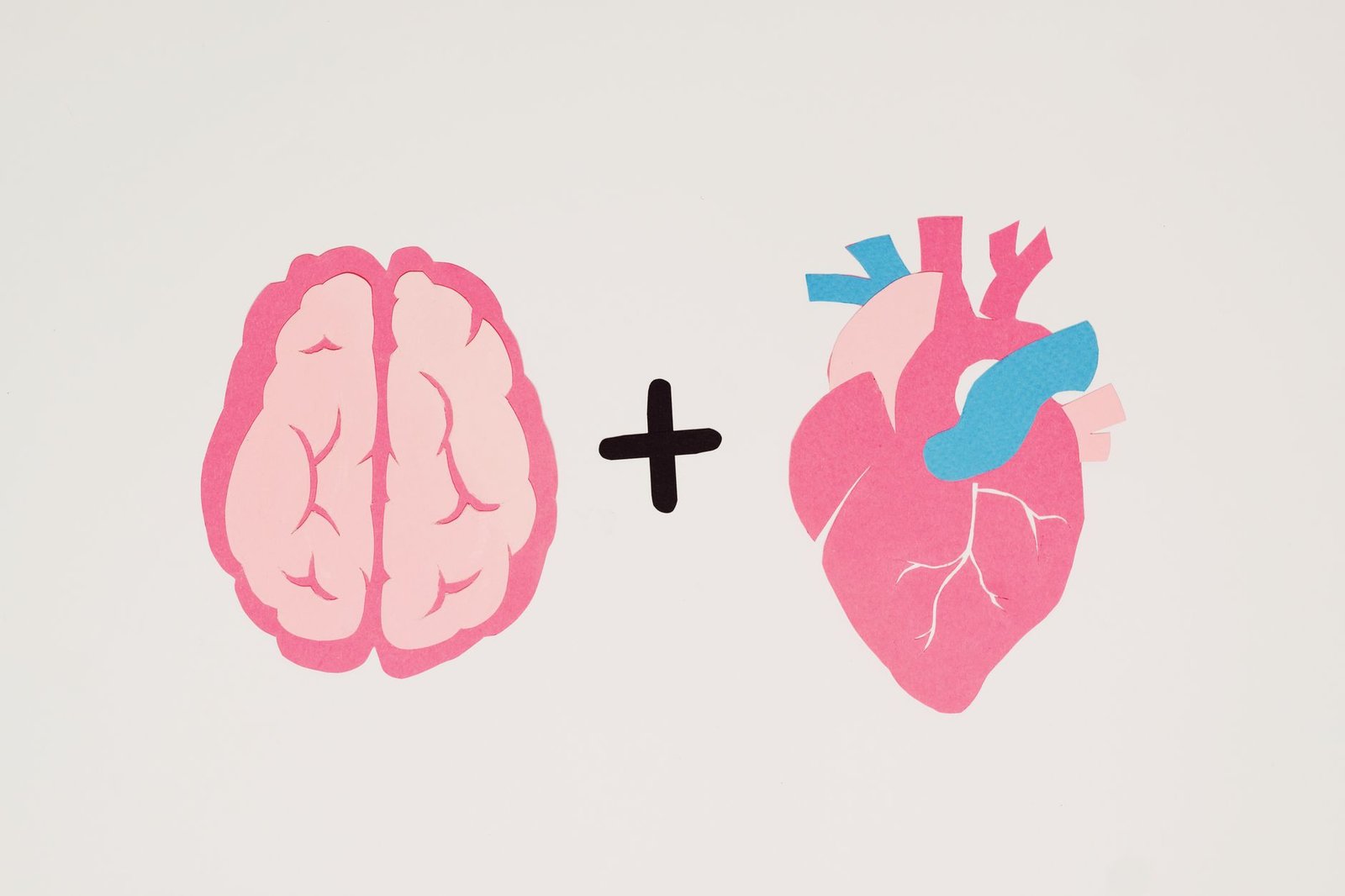
Then there’s the vagus nerve, a long, wandering nerve that runs directly from your brainstem to your gut, carrying signals in both directions. Most of that traffic — about 80% of it — actually flows from the gut up to the brain, not the other way around. In other words, your stomach isn’t just reacting to your emotions. It’s helping to create them.
Add to this the trillions of bacteria living in your intestines, collectively called your gut microbiome, and you start to see the full picture. These microbes help produce neurotransmitters, regulate inflammation, and influence the stress hormone cortisol. When that ecosystem is out of balance — through poor diet, chronic stress, lack of sleep, or overuse of certain medications — the ripple effects can show up as irritability, anxiety, brain fog, or a heavier, harder-to-shake sadness.
Why This Matters When You’re Feeling Anxious or Low
If you’re in the middle of a hard season — anxiety that won’t quiet down, burnout that makes everything feel gray, or insomnia that leaves you running on empty — it can feel like your mind is betraying you for no reason. Understanding the gut-mood link doesn’t mean your feelings are “just digestion.” Emotions are complex and deserve real care, often including therapy or medical support. But it does mean there’s a physical, addressable piece of the puzzle that’s often overlooked.
Many people notice their anxiety spikes around digestive flare-ups, or that a stretch of bad sleep and rushed, sugary meals leaves them feeling emotionally raw. That’s not a coincidence — it’s your gut and brain staying in sync, for better or worse.

Research has also connected long-term inflammation (which often starts in the gut) with higher rates of depression. This doesn’t mean inflammation causes depression in every case, but it’s one more thread showing how deeply physical and emotional health are intertwined. You are not “too sensitive” or “making it up” — your body is genuinely involved in how you feel.
Small, Gentle Ways to Support Your Gut (and Your Mood)
None of this requires an overnight overhaul. Small, consistent shifts tend to help far more than dramatic ones — especially if you’re already stretched thin.

- Add fiber-rich, colorful plants where you can. Vegetables, fruits, legumes, oats, and whole grains feed the beneficial bacteria in your gut. You don’t need to eat “perfectly” — even adding one extra vegetable to a meal is a step in the right direction.
- Include fermented foods. Yogurt with live cultures, kefir, sauerkraut, miso, and kimchi introduce beneficial microbes that may support both digestion and mood regulation.
- Watch the ultra-processed, high-sugar patterns. Occasional treats are completely fine — this isn’t about guilt. But a diet heavy in processed foods over time has been linked to reduced microbial diversity, which can affect mood stability.
- Prioritize sleep, even imperfectly. Your gut lining repairs itself largely while you sleep, and poor sleep disrupts the microbiome within days. Even small improvements — dimming lights an hour earlier, one consistent wake time — can help.
- Move your body gently. Regular movement, even a daily walk, has been shown to increase beneficial gut bacteria and reduce inflammation markers linked to low mood.
- Manage stress where you can. Chronic stress changes gut permeability and bacterial balance. Practices like slow breathing, journaling, or simply stepping outside for a few minutes activate the vagus nerve and send calming signals both ways along that gut-brain highway.
When to Reach Out for More Support
It’s worth saying clearly: if you’re dealing with persistent anxiety, depression, or digestive issues, gut-friendly habits are a supportive layer, not a replacement for professional care. A doctor can rule out conditions like IBS, food intolerances, or nutrient deficiencies that mimic or worsen mood symptoms. A therapist can help you work through the emotional side that no amount of yogurt will fully resolve. Think of gut care as one caring hand on your shoulder — helpful, grounding, but not the only support you deserve.
If you notice a strong pattern — like your anxiety consistently worsening after certain meals, or digestive symptoms alongside mood changes — mention it to your healthcare provider. You know your body better than anyone, and that observation is valuable information, not an overreaction.
A Kinder Way to Think About Your Body
So much of the wellness world turns gut health into another performance metric — another thing to optimize, another way to feel like you’re failing. We’d rather offer you something softer: your gut and your brain are teammates, constantly working to help you feel steady. When you eat a colorful meal, get outside for a walk, or protect an extra hour of sleep, you’re not chasing perfection. You’re sending your whole nervous system a message that says, “I’ve got you.”
That’s really what understanding the gut health and mood connection is about — not a rulebook, but a reminder that caring for your body is one more way of caring for your mind.

Leave a Reply