
You did everything “right.” Lights out by 10:30, eight full hours logged, alarm didn’t even go off — you woke up naturally. And yet you’re sitting here at 10am wondering why your body feels like it’s wading through wet cement. If you’ve been quietly Googling why you’re tired even after 8 hours of sleep, first: you’re not broken, and you’re not lazy. Sleep quantity is only one piece of a much bigger puzzle, and most of us were never taught the rest of it.
We’ve been sold this idea that sleep is a number — hit 8 hours and you’re golden. But your body doesn’t clock in and out like a factory shift. It cares about *when* you sleep, *how well* you sleep, what happens in the hours before and after, and a handful of physiological factors that have nothing to do with the clock at all. Let’s walk through what’s actually going on.
The Real Reason You’re Tired Even After 8 Hours of Sleep Isn’t Always About Sleep
Here’s the uncomfortable truth: fatigue is a symptom, not a diagnosis. It can come from your sleep quality, sure, but it can just as easily come from your blood sugar, your stress hormones, your gut, your mental load, or an underlying medical issue that’s been quietly running in the background for years. Treating chronic tiredness like it’s purely a “go to bed earlier” problem is like trying to fix a leaky faucet by mopping the floor more often.
The first step is separating sleep *duration* from sleep *quality*. You can be in bed for eight hours and only get five hours of actual restorative sleep if you’re waking up repeatedly, never reaching deep sleep, or spending too much time in light, fragmented stages. Your brain and body need to cycle through all the sleep stages — including deep sleep and REM — multiple times a night to actually feel the benefits. Time in bed is not the same currency as time truly asleep.
Your Sleep Quality Might Be Quietly Sabotaging You
A few of the most common, under-the-radar quality wreckers:
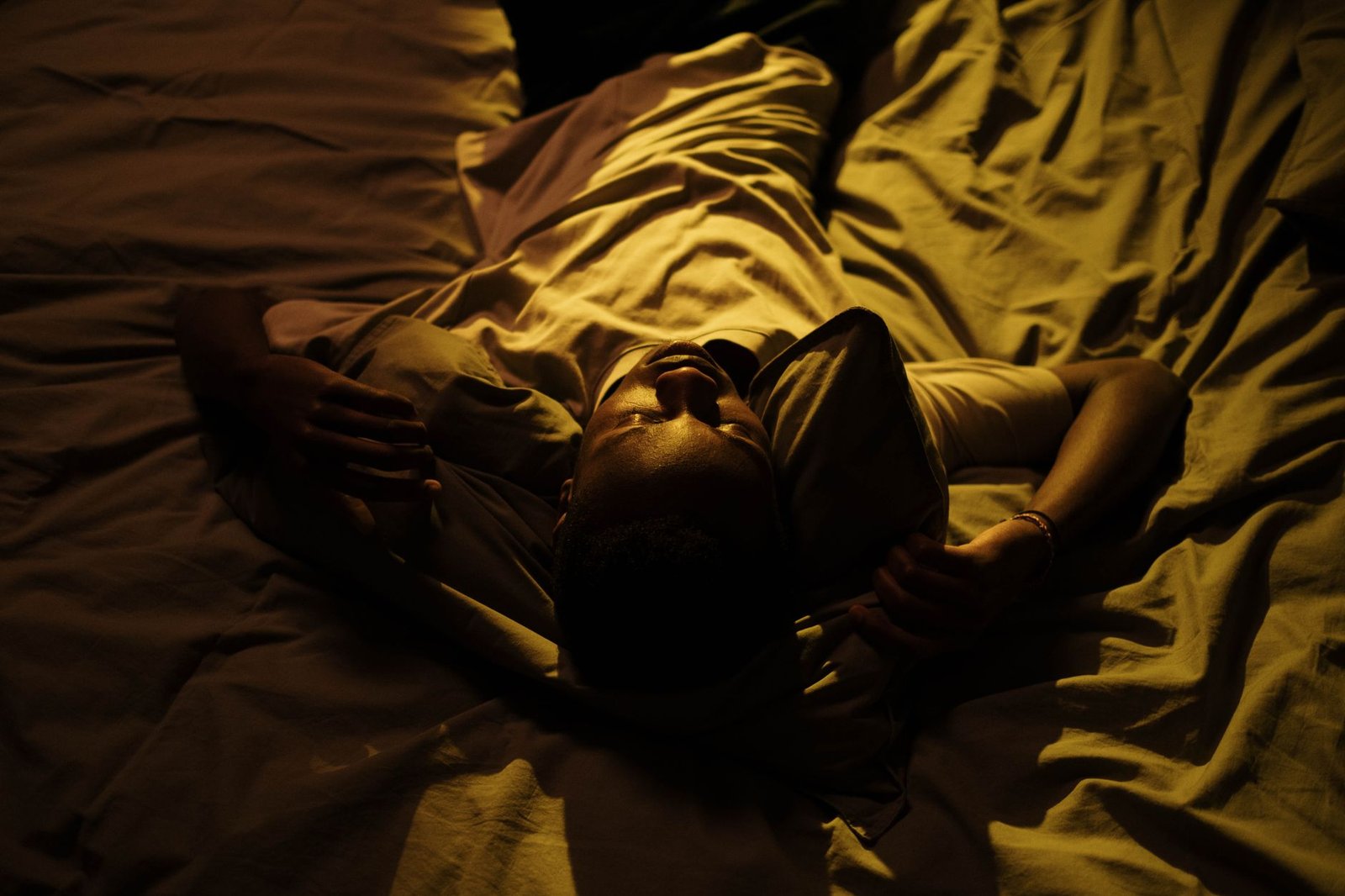
- Fragmented sleep: Waking up briefly multiple times a night — even if you don’t remember it — prevents you from completing full sleep cycles.
- Sleep apnea: This affects far more people than realize it, including those who aren’t overweight. Snoring, gasping, or waking up with a dry mouth or headache are worth mentioning to a doctor.
- Alcohol before bed: It knocks you out faster but fragments sleep in the second half of the night, robbing you of REM.
- Screen time right before sleep: Blue light delays melatonin release, which can push you into lighter, less restorative sleep even if your total hours look fine.
- Irregular sleep timing: Going to bed at 9pm on Tuesday and 1am on Friday confuses your circadian rhythm, even if the total hours average out.
If any of these sound familiar, the fix usually isn’t “sleep more.” It’s “sleep better” — and that’s a very different project.
Your Circadian Rhythm Cares More Than Your Sleep Tracker Does
Your body runs on an internal clock that regulates everything from body temperature to hormone release, and it’s incredibly sensitive to light, meal timing, and consistency. When that rhythm is out of sync — say, from irregular bedtimes, late-night eating, or dim indoor lighting all day with bright screens all night — your body can technically get eight hours of sleep and still not feel rested, because the sleep didn’t happen at the time your biology expected it.
This is part of why shift workers and frequent travelers often describe feeling “tired but wired” or perpetually jet-lagged even when they’re sleeping a normal number of hours. The number was right; the timing was wrong.
A simple, low-effort fix: get natural light exposure within 30-60 minutes of waking, and dim your lights in the evening. It sounds almost too simple to matter, but consistent light cues are one of the strongest signals you can give your circadian rhythm.
What’s Happening in Your Waking Hours Matters Just as Much
Fatigue doesn’t start when your head hits the pillow — it’s built during the day. A few daytime patterns that quietly drain your energy no matter how well you slept:

- Blood sugar swings: Skipping meals or relying on sugar and caffeine for energy creates spikes and crashes that mimic — and worsen — sleep-related fatigue.
- Dehydration: Even mild dehydration is linked to fatigue, headaches, and difficulty concentrating.
- Chronic low-grade stress: Constantly elevated cortisol keeps your nervous system in a low simmer of alertness that’s exhausting to sustain, even if it never tips into a full “stress response.”
- Sedentary days: Counterintuitively, moving less often makes you feel more tired, not less. Movement helps regulate energy, mood, and even sleep quality itself.
- Mental overload: Decision fatigue and constant task-switching are cognitively exhausting in a way that doesn’t always feel like “stress” — it just feels like tiredness.
None of these show up on a sleep tracker, but all of them can leave you feeling drained the moment you wake up, regardless of how many hours you logged.
When It’s Worth Talking to a Doctor
Sometimes the answer genuinely isn’t lifestyle-related, and that’s worth saying plainly, because too many people spend months tweaking their bedtime routine when the real cause is medical. Persistent fatigue despite adequate sleep can be linked to:

- Thyroid imbalances
- Iron deficiency or anemia
- Vitamin D or B12 deficiency
- Sleep apnea or other sleep disorders
- Depression or anxiety (fatigue is one of the most common, least talked-about symptoms of both)
- Chronic conditions like diabetes or autoimmune disorders
If you’ve genuinely cleaned up your sleep habits, daytime routine, and stress levels for several weeks and the exhaustion hasn’t budged, that’s not a personal failing — it’s information. A simple blood panel with your doctor can rule out or confirm a lot of this, and it’s a far more productive next step than trying yet another sleep app.
Small Shifts That Actually Move the Needle
You don’t need to overhaul your entire life this week. A few places to start, one at a time:
- Keep a consistent wake-up time, even on weekends — this stabilizes your circadian rhythm more than a consistent bedtime does.
- Get outside within an hour of waking, even for ten minutes.
- Notice your energy dips during the day and check: hungry, thirsty, stiff, or genuinely tired?
- Cut caffeine after early afternoon — it has a longer half-life than most people assume.
- If you snore, wake up gasping, or your partner mentions pauses in your breathing at night, bring it up with a doctor sooner rather than later.
Fatigue that persists despite “doing everything right” is your body’s way of asking you to look a little wider than the number on your sleep app. You’re not failing at rest. You’re just missing a piece of information — and now you have a much better map for finding it.
Leave a Reply